


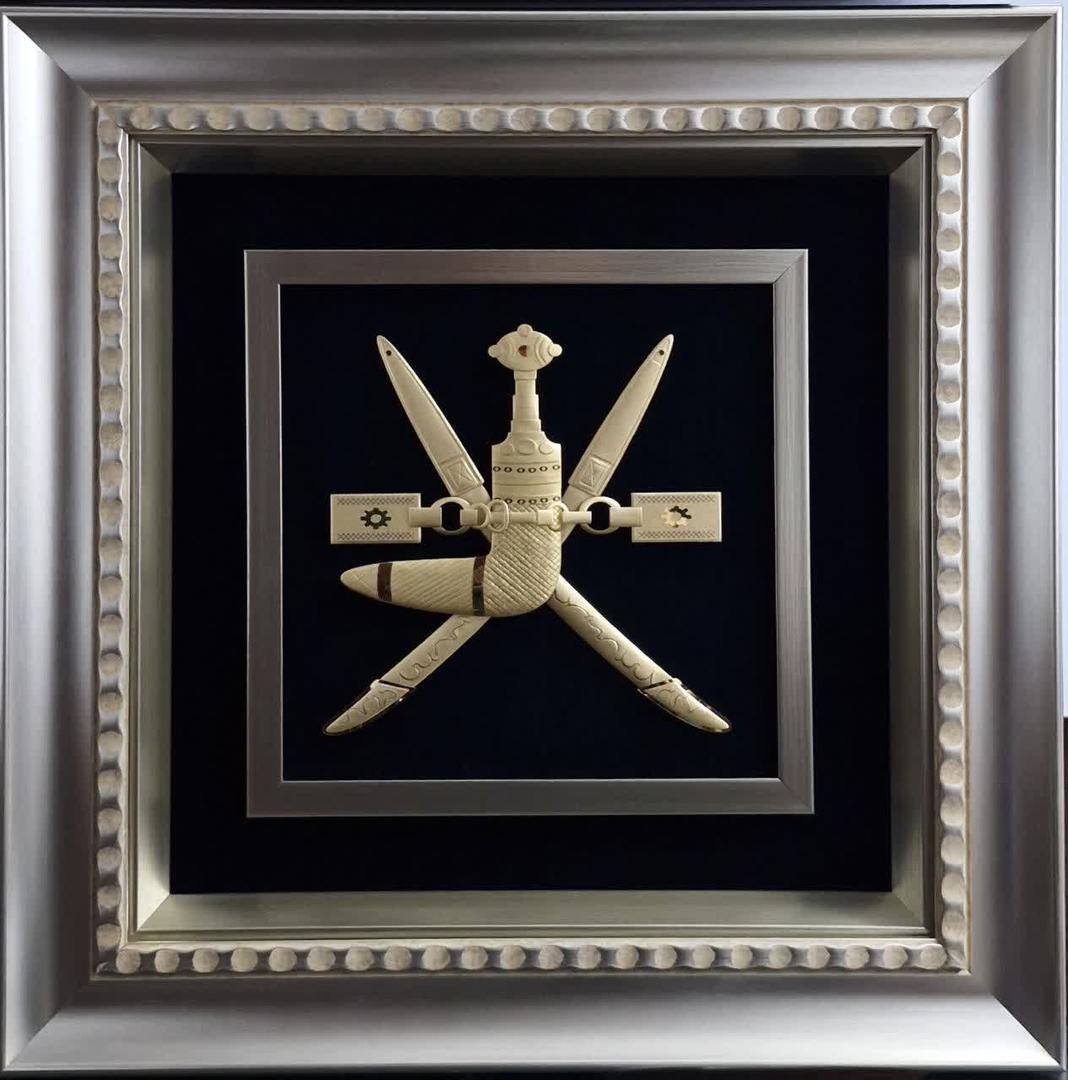
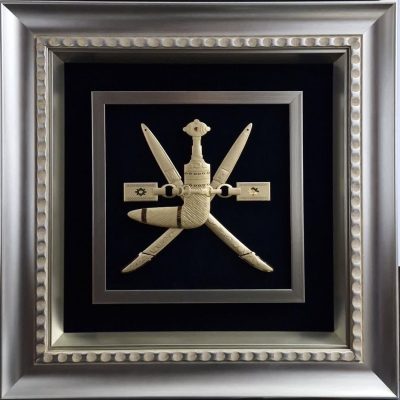
نماد عمان – Symbol of the Sultan of Oman
Introduction: A Symbol of Power and Heritage
The Khanjar of the Sultan of Oman, known in Arabic as الخنجر العماني, is more than just a dagger — it is the soul of Omani identity, a symbol of pride, and a representation of the nation’s royal heritage. This elegantly curved dagger, worn by the Sultan himself and by Omani men on formal occasions, embodies centuries of craftsmanship, tradition, and prestige.
Whether displayed as a luxury collectible, a decorative centerpiece, or a symbolic cultural artifact, the Omani Khanjar remains one of the most recognizable emblems of the Middle East. Crafted from silver, gold, and fine leather, this dagger represents both elegance and strength — a timeless fusion of art and authority.
H2: The Origin and History of the Omani Khanjar
The Omani Khanjar dates back hundreds of years, to a time when the dagger was both a weapon and a mark of manhood. Historically, young Omani men received their first Khanjar upon reaching maturity — a rite of passage that signified responsibility and honor.
Over time, the Khanjar evolved from a practical tool to a powerful symbol of national and royal prestige. During the reign of Sultan Qaboos bin Said, the dagger became part of Oman’s official emblem, appearing on the national flag, banknotes, and military insignia. The Sultan’s own Khanjar, however, is a unique masterpiece — hand-forged with precious metals and intricate filigree that distinguishes it from all others.
H2: Design and Craftsmanship
H3: The Blade and Its Meaning
The blade of the Khanjar is short, double-edged, and slightly curved. It is traditionally forged from high-quality steel and polished to perfection. Unlike other Middle Eastern daggers, the Omani Khanjar’s blade is designed more for ceremonial display than for combat — symbolizing defense of honor and justice.
H3: The Hilt (Handle)
The handle, or miqbad, is often made from ivory, horn, or premium wood, though modern royal Khanjars use precious materials like silver, gold, and even gemstones. The handle’s symmetrical design represents balance and courage.
H3: The Scabbard (Sheath)
Perhaps the most distinctive part of the Khanjar, the scabbard (tigh) is lavishly decorated with filigree silver, gold leaf, and sometimes even pearls. It curves upward gracefully, symbolizing protection and pride. The meticulous silverwork on the scabbard can take master craftsmen months to complete.
H2: The Sultan’s Khanjar – A Royal Masterpiece
The Khanjar of the Sultan of Oman is a national treasure and a personal emblem of His Majesty. It is distinguished by:
A solid gold hilt engraved with royal insignia.
A scabbard decorated with diamonds and emeralds.
The Sultan’s monogram and crest in fine silver filigree.
Handmade detailing by Oman’s most skilled artisans.
This royal dagger is not intended for sale, but replica versions and collector editions inspired by it are highly sought-after among art collectors, diplomats, and luxury enthusiasts worldwide.
H2: Symbolism and Cultural Significance
In Oman, the Khanjar is not merely an accessory — it is part of the national dress (dishdasha), worn proudly at ceremonies, weddings, and official events. It represents:
Honor and Courage – a reminder of Oman’s warrior past.
Wisdom and Nobility – values associated with leadership.
Cultural Identity – a link between generations of Omani men.
Royal Legacy – the Sultan’s Khanjar, in particular, symbolizes unity and sovereignty.
Every curve, line, and engraving on the dagger carries meaning — the upward tilt of the blade symbolizes rising status and spiritual elevation, while the circular motifs on the sheath reflect continuity and eternal life.
H2: The Khanjar in Modern Oman
Today, the Khanjar remains central to Omani identity. It is featured in:
The National Emblem of Oman
Military uniforms and royal insignia
Tourist souvenirs and luxury décor items
Diplomatic gifts presented by the Sultanate
High-end artisans continue to produce gold and silver Omani Khanjars as decorative items and gifts of state. Each piece represents Oman’s reputation for artistry, craftsmanship, and deep respect for heritage.
H2: Buying a Khanjar – What You Should Know
If you’re considering purchasing an Omani Khanjar, whether as a collector or as décor, here’s what to keep in mind:
1. Material Quality
Authentic Omani Khanjars are made of sterling silver or gold-plated metal. Avoid mass-produced replicas made from cheap alloys.
2. Craftsmanship
Look for detailed silver filigree, hand engraving, and solid structure. The best pieces are handcrafted by Omani silversmiths in Nizwa, Sur, and Muscat.
3. Purpose
Modern Khanjars are ceremonial or decorative, not functional weapons. They are perfect for wall décor, luxury offices, or gifting purposes.
4. Authenticity Certificate
If you’re investing in a premium collectible, ensure it comes with documentation verifying Omani origin and artisan signature.
H2: How to Display and Maintain Your Khanjar
Display in a dry, shaded area, away from direct sunlight or humidity.
Clean gently with a soft microfiber cloth.
For silver parts, use a non-abrasive silver polish.
Avoid touching the gold leaf with bare hands to prevent tarnish.
Keep it in a velvet-lined box when not on display.
A well-maintained Omani gold Khanjar can last generations — both as a showpiece and as a heritage heirloom.
H2: The Khanjar as a Gift
Few gifts carry as much cultural depth and elegance as the Omani Khanjar. Ideal for:
Diplomatic exchanges
Corporate or executive gifting
Cultural events and exhibitions
Collectors of Middle Eastern art
Personal or wedding gifts symbolizing honor and prestige
When presented, the Khanjar conveys respect, loyalty, and admiration — the true spirit of Omani generosity.
H2: FAQs
Q1: What is the meaning of the Omani Khanjar?
A: It symbolizes bravery, manhood, and national identity. It’s part of Oman’s official emblem and is worn during important occasions.
Q2: Is the Sultan’s Khanjar made of real gold?
A: Yes, the royal version is crafted from gold and precious stones. Public replicas are made from silver or gold-plated metal.
Q3: Can I buy the exact replica of the Sultan’s Khanjar?
A: Authentic replicas inspired by the royal Khanjar are available from licensed Omani artisans and luxury art dealers.
Q4: Does the Khanjar have functional use?
A: Modern Khanjars are ceremonial or decorative, not designed for combat.





نقد و بررسیها
هنوز بررسیای ثبت نشده است.